


Power Has a New Address
By: E. A. Randolph-Koranteng (Rev)
Author of The Book (Tomorrow Happened Yesterday…on Amazon .com)
We typically think geopolitics boils down to the obvious stuff: oratory from presidents, generals moving troops, or the terrifying reach of missiles. That’s what grabs the front page.
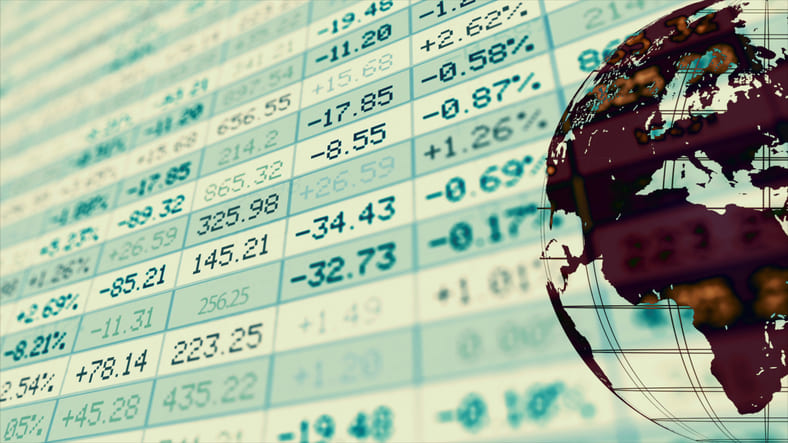
But a quieter shifting of power is happening. The real gatekeepers today aren’t wearing uniforms. They happen to be actuaries in London using risk models and underwriters at reinsurance firms. These people don’t use weapons, strictly speaking. They price probability. When those numbers stop making sense—when a spreadsheet says the risk is greater than the potential profit—global trade just grinds to a halt. It isn’t a dramatic standoff. It is just a silent realization that the math doesn’t work anymore.
The Deeper Truth
To get a grip on how things world today, forget the old textbooks. Governments don’t have the final word like they used to. In many ways, systems are actually in charge now. Insurance systems and energy networks and financial markets dictating or blocking how capital moves. These systems usually operate way beyond the reach of any single government.
Missiles make for a good story, but risk models decide what actually ends up moving across borders. Most people think navies close straits like Hormuz. I’d argue it was closed by a spreadsheet. And if you don’t see that, you don’t really see how this century functions.
Spreadsheet Geopolitics: A Shift for African Banking
As consultants, we tell our clients to watch a central bank or scan the newest government budget. Maybe track the latest political noise. But looking 1only at that stuff means you’re missing the actual levers of power. There’s a reality every financial institution in Africa—and especially for us here in Ghana—needs to wake up to.
Systems run things now. Insurance groups decide what trade hits the harbor and what gets stuck. Energy systems create realities no army can fix. Financial systems move money based on cold math and nothing else. These forces—driven by reinsurance markets in places like London or Bermuda—basically ignore sovereign boundaries.
What does it matter for a bank in Ghana? This:
Look Beyond the Sovereign
Your loudest risks aren’t always a policy rate or a loan book. They are the invisible systems. If a reinsurance firm in Europe decides a trade route involves too much heat or “risk,” they pull coverage. Just like that, an import economy can feel the chokehold faster than if parliament passed some new law.
The “Unseen” Models
When you stress-test a trade portfolio, looking at the borrower’s credit isn’t enough anymore. You’ve got to ask: Will London allow the insurance cover for those ships to stand? Will global payments sogar pull the plug on transactions altogether? Maybe. It’s hard to know for sure until it happens.
Local Context is Life
Global systems are pretty heartless. They don’t have a face. That is why being local matters. You know the Ghanaian market. You can bridge the gap between that distant, cold London spreadsheet and the reality on the ground. Clients need help navigating those global hurdles, not just local regulators.
The Strait of Hormuz didn’t get blocked by a gunboat; it was suffocated by a risk premium. As consultants, we have to grasp this because it is the way money actually behaves in our time. The spreadsheets are telling the real story of our trade and finance future—best we start reading them more closely.
I am inspired by;
1 Chronicles 12:32 (NIV)
“…from the tribe of Issachar, men who understood the times and knew what Israel should do.”
The world is changing, and we need people who don’t just watch the news, but who understand.